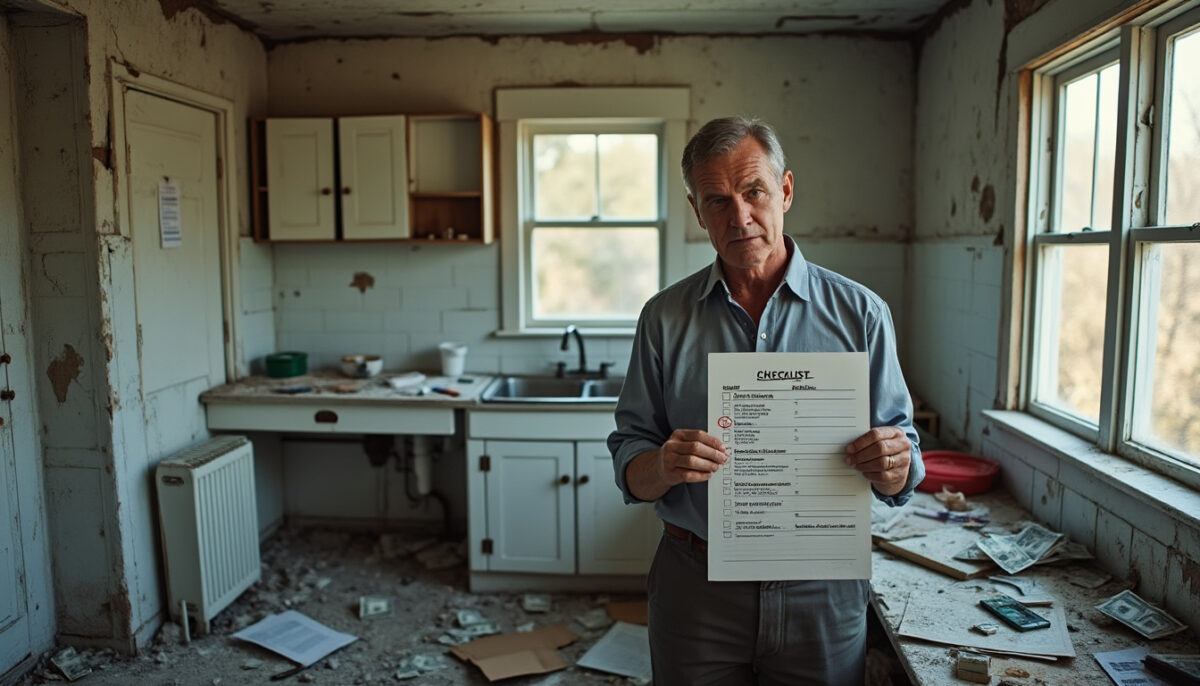
Tenant improvements: forgetting them in the plan costs dearly
Hi everyone, it’s Zoé. Leaving rental property work out of your real estate plan often leads to unpleasant surprises and much higher costs. In short, failing to plan for these maintenance-related expenses and the upkeep of the property can blow your budget, slow down your returns, and complicate your rental management. A good planning strategy helps you avoid these pitfalls and protect your investment.
Why include rental property work in your real estate plan now?
A comprehensive plan that includes maintenance and renovation work is essential. In most cases, a landlord who ignores these significant expenses eventually has to pay out much more in an emergency. If you leave these costs out of your budget, you risk a financial imbalance; on the other hand, planning ahead lets you spread out the expense and optimize your property’s value.
For example, one landlord tried to save money on renovations and ended up having to redo the plumbing in an emergency, paying twice as much. Want to avoid this trap? Include every expense, however small, in your plan.
Quick guide: 5 key actions to take
- Estimate the costs of average annual maintenance, which often comes to around 200 to 300 euros depending on the size of the property.
- Schedule regular work (painting, carpentry, plumbing) to prevent excessive deterioration.
- Use a calendar to track how often work is carried out and plan ahead.
- Set aside a dedicated budget each year to ensure your rental management runs smoothly.
- Consult experts to avoid excessive quotes and optimize financing, including loan options specifically designed for rental property work.
How can you avoid fatal mistakes when planning rental property work?
The danger is viewing the work as nothing more than a one-off annual expense. In that case, a major unexpected project could cost you thousands of euros. If you factor it in from the outset, you can finance some projects with a loan without putting a strain on your cash flow — provided you plan ahead and choose the right banking offer. Read this article to learn more about financing rental property work wisely.
The principle here is simple: “A poorly planned investment is a lost investment.”
A simple 3-step plan for managing rental property work
- Assess your property’s needs accurately with a thorough inspection.
- Prioritize the work according to its impact on the rental (safety, comfort, appeal).
- Draw up a schedule and annual budget, with a contingency for unexpected expenses.
Rental property work: landlord vs. tenant, who pays for what?
The landlord must ensure that the property is in good condition. They are responsible for major work related to wear and tear, extensive maintenance, and bringing the property up to code, as required by law. The tenant is responsible for tenant repairs related to routine upkeep. A frequent point of disagreement is where to draw the line between maintenance and wear and tear.
The tenant cannot object to urgent work that makes the property temporarily difficult to live in. If the disruption lasts more than 21 days, they can request a rent reduction or even terminate the lease if the property becomes completely uninhabitable.
| Type of work | Responsibility | Example |
|---|---|---|
| Routine maintenance | Tenant | Changing a light bulb, unclogging a sink |
| Major maintenance and renovations | Landlord | Roof repairs, boiler replacement |
| Work required to meet regulations | Landlord | Installing a smoke detector |
| Minor repairs to fixtures | Tenant | Replacing a faucet washer |
When and how should you include work in your budget to avoid unpleasant surprises?
Too often, a lack of planning leads to excessively high bills. The best approach is to manage your rental property rigorously so you can plan for and fund work at the right time. In this regard, you can consult this practical guide, which will help you better include rental property work, both minor and major, in your budget.
Plan your work in advance and take advantage of suitable financing options. This protects your returns and helps avoid problems with your tenants.
Who is responsible for routine repairs in a rental property?
Tenants generally take care of repairs related to routine maintenance, such as replacing light bulbs or washers, while landlords are responsible for major work and bringing the property up to code.
What should you do if the work makes the property uninhabitable?
If the work lasts more than 21 days and makes the property difficult to live in, the tenant can negotiate a temporary rent reduction. If it becomes completely uninhabitable, they can terminate the lease without notice.
How can you finance rental property work without blowing your budget?
It is recommended that you plan the work in advance and explore loan options suited to your project, so you can spread out the costs and avoid financial pressure.
When should you renovate a property before renting it out?
Renovating before renting is recommended, especially for older properties, to avoid urgent repairs later and optimize the rent.
Thanks for reading; Best wishes; Zoé