Rental renovations: bathroom redone, a pleasant or unpleasant surprise
Hi everyone, it’s Zoé. A renovated bathroom can be a pleasant surprise if the work genuinely improves the comfort of the home and its cost is in line with the expected rent. If the work takes place during the tenancy, the tenant generally has to allow it to go ahead, but retains rights when faced with significant disruption. Here’s how to avoid an unpleasant surprise during renovations and protect your property’s profitability.
In practice: 5 steps to keep the work on track
- Clarify who pays: routine maintenance and minor repairs related to use are often the tenant’s responsibility, while repairs due to wear and tear or major work generally fall to the landlord.
- Ask for a written description: the nature of the work, planned dates, hours and contractors’ contact details.
- Photograph the room before work begins and keep all correspondence, quotes and invoices.
- Assess the impact on use of the bathroom, especially if the shower or toilet will be temporarily inaccessible.
- At the end, check the finish and record any damage in a joint inspection report or written statement.
Bathroom renovation: a benefit to the home, an inconvenience for the occupant
A bathroom renovation can make a home more pleasant and reduce breakdowns caused by aging fixtures. For a landlord, it can also support rental value, provided they choose durable, easy-to-maintain materials rather than expensive finishes that have no real effect on the rent.
The cost of rental property renovations varies depending on the size, condition of the plumbing and level of finish: a partial renovation may cost a few thousand euros, while a complete renovation often exceeds €5,000–€12,000, depending on the model/situation. Request several comparable quotes and set aside a contingency for unexpected costs, especially if the plumbing or waterproofing needs to be redone.
If the bathroom is simply modernized before the property is rented out, a pre-rental renovation can avoid disrupting a tenant and make it easier to rent the property again. When work takes place during the tenancy and deprives the occupant of an essential facility for an extended period, the inconvenience may justify discussing a rent reduction, although this is not automatically set at a predetermined percentage.
A pleasant renovation surprise or a poorly planned project?
A pleasant renovation surprise means a more functional room, effective ventilation and reliable fixtures, completed within the announced timeframe. An unpleasant surprise during renovations often means work that drags on, a shower that cannot be used with no alternative available, or undocumented damage.
For example: a landlord replaces an old bathtub with a shower and notifies the tenant before the work begins. If the bathroom remains inaccessible for several days, it is best to agree in writing on the practical arrangements and keep evidence of any significant inconvenience.
Simple principle: the more the work affects everyday use of the home, the more important information and written evidence become.
Work in a rental property: who is responsible for what?
Responsibility depends on the cause of the problem. Tenant repairs and routine maintenance are governed in particular by the decree of August 26, 1987, while the landlord must provide decent housing and carry out repairs that are not the tenant’s responsibility.
| Situation | Responsibility generally applicable | Useful first step |
|---|---|---|
| Worn seal or neglected routine maintenance | Often the tenant’s responsibility, depending on the condition and cause | Compare with the move-in inspection report and document the wear |
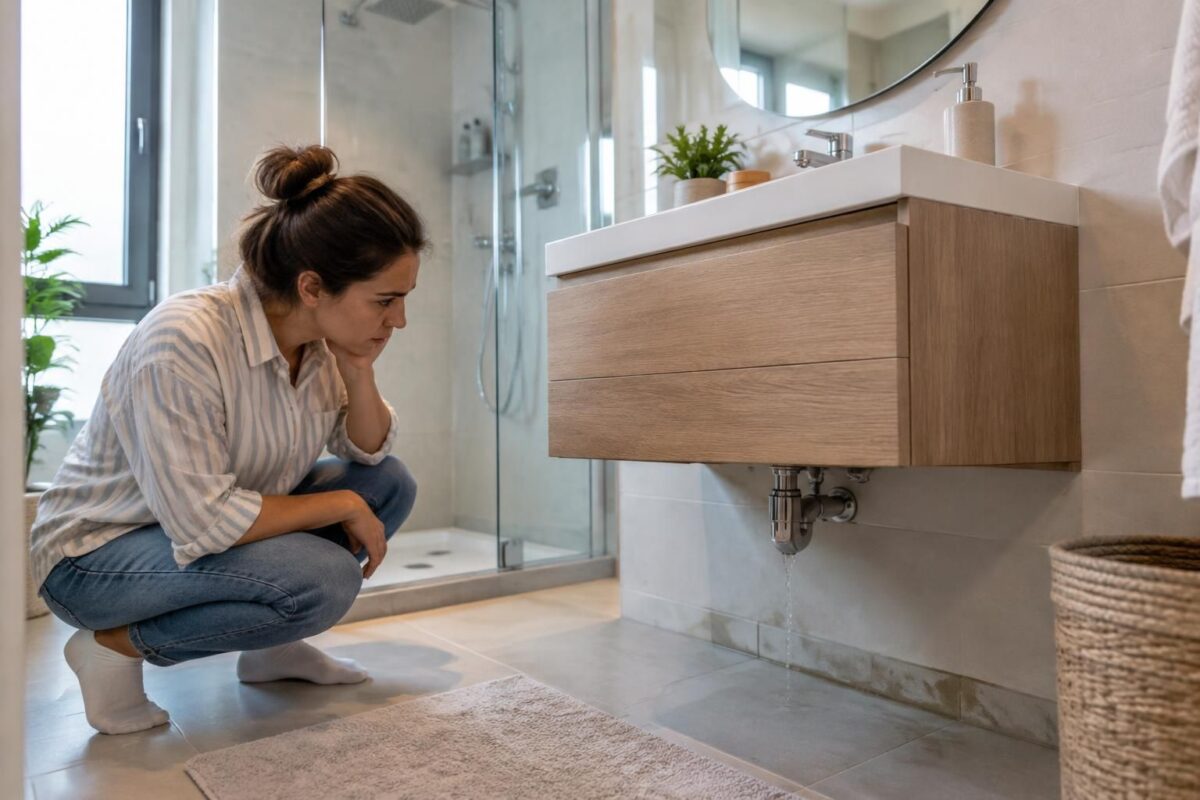
| Leak caused by an aging pipe | Generally the landlord’s responsibility | Report the problem promptly in writing |
| Fixture broken by an impact or abnormal use | May be the tenant’s responsibility if their liability is established | Keep photos, quotes and correspondence |
| Complete renovation due to wear and tear or to improve the property | Landlord’s responsibility | Set the schedule and arrangements for access to the home |
Wear and tear matters: a fixture that reaches the end of its useful life after normal use does not automatically become damage attributable to the tenant. Conversely, breakage resulting from abnormal use may make the tenant liable, subject to the evidence and the inspection report.
To find out whether a change is a simple alteration or a modification requiring the landlord’s consent, see the guidance on rental property work requiring authorization. Even small DIY tasks can raise questions: this resource explains when drilling, painting or installing something becomes risky.
Tenant rights during a bathroom renovation
The landlord must inform the tenant about necessary work and arrange the intervention in a way that is compatible with living in the home. The tenant must allow access for work required by law, but the practical arrangements must be agreed upon; work generally cannot be imposed on Saturdays, Sundays or public holidays without the tenant’s consent.
The right to peaceful enjoyment does not mean that all work is prohibited. However, if the work lasts more than 21 days, Article 1724 of the French Civil Code provides for a rent reduction proportionate to the duration and the part of the home the tenant is deprived of. If the home becomes uninhabitable, the situation may give rise to other remedies; however, relocation is not automatic for every project.
If the shower remains accessible and the work is brief, organizing daily routines is often enough to limit the inconvenience. If essential facilities are unusable for an extended period, ask the landlord for a solution in writing and seek advice from ADIL or a tenants’ association.
A three-step approach to keeping the project on track
- Before: review the lease, ask for the work schedule and photograph the bathroom. If a modification is planned, clarify in writing who requested it and who is paying for it.
- During: note the dates, any periods when access is interrupted and any damage. Notify the landlord promptly if a problem arises, and include photos.
- After: check the visible waterproofing, taps, ventilation and finish. Report any defects without delay and keep documents relating to the work.
For a landlord, this approach also helps control the budget and preserve net profitability: a lasting improvement can reduce future repairs, but excessive spending does not guarantee a corresponding rent increase. The article on renovation as an improvement or a budget overrun offers another useful example for weighing up investments.
After the work: inspect the bathroom and keep the evidence
A post-renovation inspection report makes it possible to compare the room’s condition with the photos taken before work began. Check the seals, water drainage, signs of damp, damaged items and how the fixtures are working; waterproofing defects caught early are often less expensive to fix.
The work carried out should also be appropriate for the way the home is used. Suitable ventilation and moisture-resistant materials may be more useful than a high-end tap, especially in a rental property with frequent tenant turnover.
If a disagreement arises, start with a specific written request, including photos and dates. If no agreement can be reached, the departmental conciliation commission can help find a solution; the protection litigation judge remains a possible avenue for asserting your rights.
Frequently asked questions about a renovated bathroom in a rental property
Can the landlord renovate the bathroom during the tenancy?
Yes, particularly to maintain or improve the home, but they must inform the tenant and arrange the work in a way that respects the tenant’s rights. Access arrangements and the duration of the work must be clarified.
Is a rent reduction automatic during the work?
No. If the work lasts more than 21 days and deprives the tenant of part of the home, Article 1724 of the French Civil Code provides for a proportional reduction. Its application depends on the duration and the space that is actually unusable.
Who pays to replace an outdated fixture?
Generally, the landlord pays for a replacement made necessary by wear and tear or a breakdown that is not the tenant’s responsibility. However, damage attributable to the tenant may change how the cost is allocated.
How can I dispute damage caused by the work?
Photograph the damage, report it promptly to the landlord in writing, and keep the correspondence and quotes. An inspection report or joint assessment can help establish the facts.
Thank you for reading; Best wishes; Zoé